Changes in blood flow, oxygen levels, or the dilation and constriction of these vessels directly impact the visible color. When blood flow is reduced or oxygen content is low, the color can shift towards a bluish or purplish appearance. Chronic alcoholism purple nose causes takes a significant toll on the liver, the body’s primary detoxification organ.
While there is no guaranteed way to prevent alcohol nose, managing rosacea and avoiding triggers can reduce the risk. Reducing alcohol intake, using dermatologist-recommended skincare products, and avoiding triggers like spicy foods can help minimize redness. If you’re struggling with alcohol addiction, many treatment options are available. Treatment can vary depending on the severity of your addiction but typically includes a combination of detox, inpatient care, support groups and sober living aftercare.
Treatment Specialties
Viewed through the skin, this blood can make the skin appear purplish or bluish. These color changes are noticeable in areas with thin skin and dense capillaries, like the nose. In general, people with rosacea tend to flush more when they are drinking. So a person with rhinophyma may see their nose get redder or more pigmented when they drink. If a person drinks too much alcohol, their nose Alcoholics Anonymous might become bright red if they suffer from rhinophyma. Just because they have swelling and discoloration around the nose does not mean they are an alcoholic.
- Each surgical approach has specific indications and requires expertise in both dermatologic surgery and rosacea management.
- This dense network allows the nose to play a crucial role in regulating temperature and oxygen exchange.
- While red noses are often seen as a sign of alcohol use, dermatologists regularly diagnose rhinophyma in people who rarely or never drink.
- At The Recovery Village Palmer Lake, we understand that health challenges often interconnect in complex ways.
- In conclusion, while a purple nose is not exclusively indicative of alcoholism, its presence in chronic drinkers is a significant red flag.
Medical Professionals
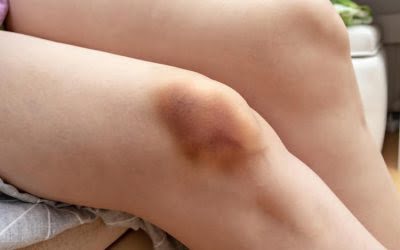
This vasoconstriction can make the nose appear purple or bluish, especially after prolonged exposure to low temperatures. One of the most straightforward reasons for a purple nose is physical trauma. A direct hit or injury can rupture tiny blood vessels under the skin, leading to bleeding beneath the surface—commonly known as a bruise. This pooled blood appears purple or blue before it eventually fades as it heals. In less severe cases, medication may be effective in treating rhinophyma. Topical and oral antibiotics reduce inflammation and redness, and other topical medications minimize inflammation.
Temporary and Environmental Factors
If the problem is caused by cold weather, special creams supporting blood circulation or simply covering the nose in low temperatures can help. Trauma can rupture small blood vessels under the skin, leading to blood leaking into surrounding tissues. This pooled blood creates a purple or blue discoloration that fades as the bruise heals. Healthy capillaries maintain proper blood flow and prevent leakage into surrounding tissues.
- Our blood vessels, responsible for carrying blood throughout the body, come in different sizes—arteries, veins, and tiny capillaries.
- To differentiate between these conditions, observe the accompanying symptoms.
- Bilirubin, a yellow compound produced during the breakdown of red blood cells, can contribute to skin discoloration when present in excess.
- This is a chronic skin disorder that various factors, including alcohol use, genetics, and environmental triggers, may exacerbate.
- Programs combine evidence-based therapy, counseling, and wellness support to help individuals rebuild their health from the inside out.
Over the years, several quirky and interesting terms for alcoholics’ noses took off and became popular to refer to people with larger or purplish-red noses. Unfortunately, the medical definition for it faded into doctors’ circles as the term alcoholic nose took off in modern society. Starting treatment early in the course of rosacea can help prevent progression to more severe forms like rhinophyma.
Even milder cold exposure may cause temporary color changes due to reduced circulation and oxygen delivery. So, alcohol may not be the primary cause of “alcoholic nose.” However, it does cause red, inflamed skin and can trigger rosacea and rhinophyma. Because alcohol dilates blood vessels and damages the vascular system, it can aggravate rhinophyma and other types of rosacea. Alcohol affects your face and skin in general by enlarging both pores and blood vessels.
It is crucial to note that these symptoms are indicative of untreated, severe rosacea. Rhinophyma is not caused by alcohol consumption, as was previously believed. While historically linked to chronic alcohol heavy use, modern research indicates that the condition is not directly caused by alcohol consumption.
Today on Healthhype

Our facility is conveniently located within the heart of New Jersey, under 20 minutes from Philadelphia. We have a full range of treatment options, including medical detox, inpatient care, partial hospitalization programming and intensive outpatient services. We offer a state-of-the-art inpatient facility and have specialized options for trauma, including EMDR and a specialty track for veterans and first responders. Contrary to popular belief, alcohol is not a direct causative factor for rhinophyma. Although alcohol does not directly cause this condition, research indicates that it may exacerbate the severity of rhinophyma symptoms.
Risk factors
The main reason leading to this discoloration of skin, nails, gums, under eyes, fingertips, purple toes, and lips is deoxygenation in hemoglobin. Most individuals experience early rosacea symptoms long before any thickening, swelling, or structural changes appear. While the term “alcohol nose” has a stigma, it’s essential to address its root causes, including lifestyle choices, genetic predisposition, and underlying health conditions.
This leads to warmth, flushing, and visible redness—especially on the face. In some cases, an allergic reaction could be behind the discoloration of your nose. Certain substances, such as allergens or irritants, can cause blood vessels to dilate, resulting in a purple tint. If you suspect an allergic reaction, identifying and avoiding the trigger is important in alleviating the symptoms. Limiting alcohol intake, staying hydrated, and avoiding triggers like red wine or aged cheeses can help reduce the likelihood of purple discoloration. With insufficient pressure, blood cannot effectively reach peripheral parts of the body, which can lead to a feeling of cold and color change in the nose.
